
The 2021 Toyota C-HR excels in reliability and fuel efficiency, but its sluggish CVT may be a dealbreaker for some buyers
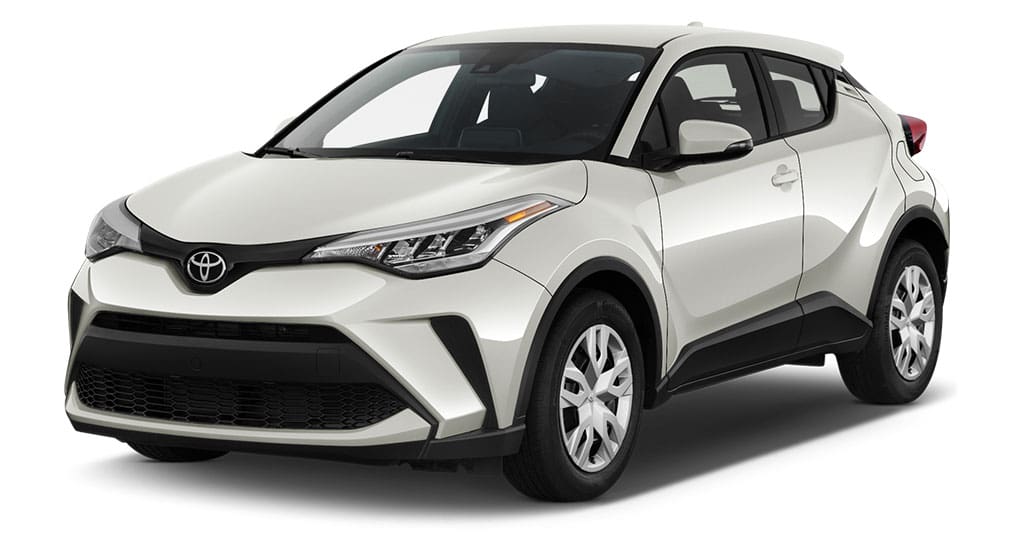
The 2021 Toyota C-HR is great for city driving, not so much for thrills.
The 2021 Toyota C-HR isn’t flashy, but it’s a practical, dependable choice for used car buyers who want no-nonsense urban transportation with a track record of reliability. While it will never be the most exciting drive on the road, the C-HR’s solid fuel economy, high resale value and generous safety features keep it in the running for anyone seeking a straightforward used crossover, especially for those who spend most of their time in the city.
Every 2021 C-HR is powered by a 2.0-litre four-cylinder engine producing 144 horsepower. The only transmission offered is a continuously variable transmission (CVT)—an automatic design that aims for smooth, efficient performance but often feels less responsive than traditional automatics. Unlike many competitors, the C-HR was never available with all-wheel drive in Canada. That’s a key limitation for anyone regularly dealing with snow, ice or rougher rural roads.
On the plus side, the C-HR shines in terms of fuel efficiency. Drivers routinely see a combined average of about 8.2 litres per 100 kilometres, making it easy on the wallet for daily commutes and errands. The model’s compact size and tight turning radius make parking and city driving straightforward, appealing to urban residents who spend a lot of time in traffic or tight spaces.

Interior practicality is good for a subcompact SUV, with just over 1,300 litres of cargo space when the rear seats are folded down. That’s enough for groceries, luggage or sporting gear, though taller passengers may find the rear seat cramped, and families with older children might want more room. Up front, the seats are supportive for longer drives, but the C-HR’s sloping roofline and smaller rear doors make getting in and out of the back seats a bit awkward. Rear visibility is also restricted, a trade-off for the model’s bold styling.
One of the C-HR’s strongest features is its standard safety equipment. Every 2021 model came with Toyota’s Safety Sense suite, including lane departure alert, adaptive cruise control, blind-spot monitoring, a backup camera and hill start assist. Higher trims add comfort touches like heated seats and available leather upholstery. For drivers who value peace of mind, these features make the C-HR a confident and secure choice.
When it comes to reliability, the C-HR mostly upholds Toyota’s reputation. Most owners report few issues beyond regular oil changes, brake jobs and tire replacements. There’s no notable pattern of engine or major mechanical problems, which means a well-maintained C-HR should deliver years of trouble-free service.
The main point of contention is the CVT. While catastrophic failures are rare, many drivers describe the transmission as slow to respond, especially during passing or merging onto highways. That “rubber band” sensation—where the engine revs but the car doesn’t accelerate as quickly as expected—can be frustrating, particularly if you’re used to more conventional automatics. For those considering a used C-HR, it’s smart to plan for more frequent transmission fluid changes, ideally every 50,000 to 60,000 kilometres, instead of stretching maintenance intervals. This small step can help prevent bigger problems and keep the transmission operating smoothly.
Aside from the CVT, a few other minor issues have been noted by owners. Some report premature rear brake wear, which isn’t a major expense but is worth checking on vehicles with higher mileage. There are occasional complaints about the infotainment system lagging or freezing, as well as intermittent Bluetooth connection problems. Cabin rattles, particularly in cold weather, are also occasionally mentioned, likely a result of the hard interior plastics Toyota uses for durability.
Rust is not a widespread concern for this generation, but as with any vehicle in Canada, it’s wise to check for corrosion in the wheel wells and along the rear hatch if the vehicle has spent winters in high-salt regions. Ignoring rust can lead to expensive repairs and shorten a vehicle’s lifespan.
Driving the C-HR is uneventful but comfortable. The suspension handles rough pavement well, and steering is light—great for city use but less engaging on the open highway. If you’re looking for brisk acceleration or sporty handling, you’ll need to look elsewhere. Highway performance is adequate for most, but the slow response from the CVT is noticeable, especially when passing. For drivers who spend most of their time in urban environments, these trade-offs are likely acceptable.
Interior storage is limited, with no door cupholders and not many places to stash small items. Rear visibility is restricted, though the standard blind-spot monitoring helps. These quirks are worth noting if you carry passengers often or need lots of in-cabin storage.
Ownership costs are reasonable. Insurance and regular maintenance tend to be lower than average for subcompact crossovers. In 2025, most used 2021 C-HRs are listed between $20,000 and $26,000, depending on condition, mileage and trim level.
So, who is the C-HR right for? This Toyota is best suited to buyers who want reliable, low-stress transportation, primarily for city use, and who don’t require all-wheel drive or extra space for a growing family. If you prioritize dependability and value over excitement, the C-HR is worth a look. Just be aware of its transmission quirks and limited practicality.
Our verdict
The 2021 Toyota C-HR is safe, sensible and easy to own. It delivers exactly what most used car buyers want: no-nonsense transportation with Toyota’s signature reliability, as long as you don’t mind a few compromises in performance and space.
| Auto Desk
Explore more on 2021 Car review, Toyota, Consumer information, Product review
The views, opinions, and positions expressed by our columnists and contributors are solely their own and do not necessarily reflect those of our publication.
Troy Media empowers Canadian community news outlets by providing independent, insightful analysis and commentary. Our mission is to support local media in helping Canadians stay informed and engaged by delivering reliable content that strengthens community connections and deepens understanding across the country.

