
Canada’s growth is slipping as projects stall. Bill C‑5 must deliver faster approvals to unlock our economic potential
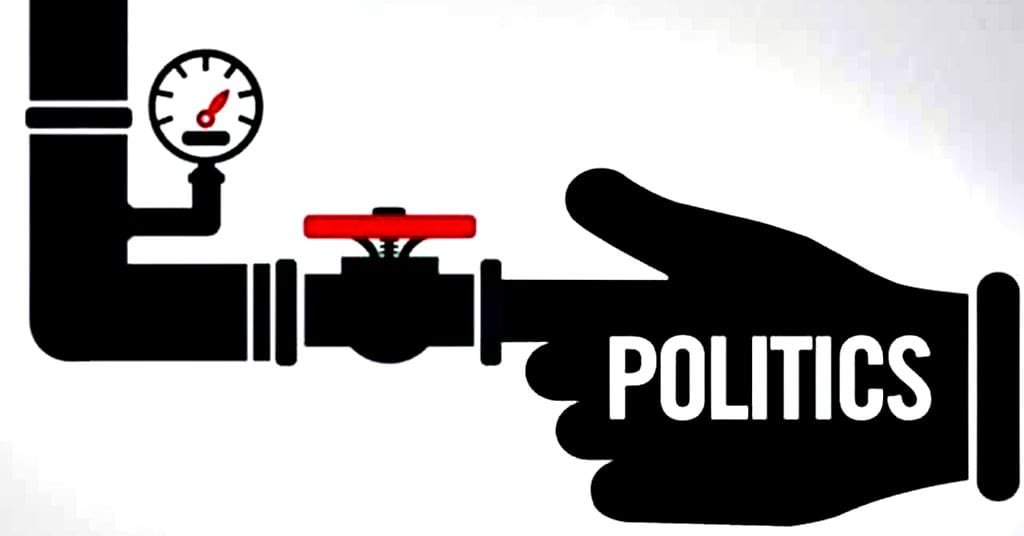
 Canada’s economy is running out of steam, and without pipelines to drive new growth, the country risks falling further behind. But unless Ottawa fixes its broken approval system, the projects we need will never get built.
Support for pipelines is strong across the country, including in Quebec. A February SOM–La Presse poll found 59 per cent support for Energy East in Quebec, with just 22 per cent opposed. Earlier MEI polling showed 49 per cent of Quebecers in favour of new pipelines to tidewater, compared with 28 per cent against.
Energy East, cancelled in 2017, would have carried Alberta oil to refineries and ports in Eastern Canada. Northern Gateway, cancelled in 2015, was planned to deliver oil to the B.C. coast for export to Asia. Both were lost opportunities, and Canada can’t afford more. Without projects like these, we lose billions in potential revenue, thousands of high-paying jobs, and crucial tax dollars that could fund health care, infrastructure and defence.
Bill C-5, the One Canadian Economy Act, a new federal law meant to speed up approvals for projects deemed in the national interest, was supposed to change this. It promised approvals in under two years. Yet the 20 projects now stalled in Ottawa’s environmental approvals process have already taken well over that. In the meantime, global investors are looking elsewhere, especially south of the border, where approval systems are faster and regulatory certainty is higher.
Bill C-5 could override parts of the Impact Assessment Act (IAA), better known as the “no more pipelines” bill. The IAA, passed in 2019, gave Ottawa sweeping powers over natural resource projects, even in areas of exclusive provincial jurisdiction. The Supreme Court ruled it unconstitutional in 2023. Yet it remains on the books, along with other federal rules that critics say discourage investment, including the Clean Electricity regulations and the oil and gas emissions cap.
That leaves plenty of uncertainty. Provinces and Indigenous groups may hold a veto under Bill C-5. The prime minister first suggested he and his ministers could unilaterally approve major projects. But when pressed by a reporter about whether he would push through a pipeline opposed by Quebec or B.C., he said: “No, we need to have consensus from all provinces and Indigenous peoples.” That response, in my view, raises serious doubts about whether the bill will ever deliver on its promise.
Last week, Prime Minister Marc Carney said it was “highly likely” that a pipeline would make its way onto his government’s to-do list of nation-building projects. However, he added that he couldn’t guarantee it, given that proposals must come from the private sector. That’s telling. Kinder Morgan advanced the Trans Mountain expansion until 2018, when it pulled out, citing mounting political and regulatory uncertainty. Taxpayers are now footing the bill. No private company wants to repeat that experience.
Bill C-5, as it stands, won’t fix that uncertainty. Entrepreneurs and investors will still spend millions on proposals while hoping their project catches the eye of the right officials in Ottawa. Only then will they see the faster approvals Bill C-5 promises. All other projects, no matter how beneficial, risk being mired in the same broken process.
This is more than an economic issue—it’s about Canada’s energy security. Without new pipelines, we remain vulnerable to global supply shocks and are forced to import oil we could easily produce at home. A reliable, self-sufficient energy system means Canadians aren’t at the mercy of volatile global markets or geopolitical crises.
Environmental concerns are real, but they should not be used as a blanket excuse to stop development. Modern pipelines are built with strict safety standards, advanced monitoring technology and the ability to transport oil more safely than rail or truck. Critics argue that blocking pipelines doesn’t reduce global emissions: it only shifts production and shipping to countries with weaker environmental rules.
If Canada is serious about growth, Bill C-5 cannot apply only to a handful of government-chosen projects. It must extend to all practical, private-sector proposals, including pipelines. Reviving Energy East or Northern Gateway would give Canada a crucial first-mover advantage in world markets and help keep investment dollars from heading south.
By passing Bill C-5, Ottawa has admitted the current approval system is broken. Now it must finish the job. Approvals should be swift by default, not by exception. With Canada’s economy struggling to grow, time is of the essence.
Bronwyn Eyre is a senior fellow at the Montreal Economic Institute, a think tank with offices in Montreal, Ottawa and Calgary.
Explore more on Carney government, Energy sector, Pipelines, Canadian economy, Energy security
The views, opinions, and positions expressed by our columnists and contributors are solely their own and do not necessarily reflect those of our publication.
Troy Media empowers Canadian community news outlets by providing independent, insightful analysis and commentary. Our mission is to support local media in helping Canadians stay informed and engaged by delivering reliable content that strengthens community connections and deepens understanding across the country.

